

Robotics, in the company of life.
From visiting
to inhabiting?
How could robots become a careful
presence in a living world?
SOFT SUSTAINABILITY ROBOTICS
Proposed RoboSoft 2027 workshop · Brisbane · 5–9 April
Soft Sustainability Robotics
A guest.
A neighbour.
A responsibility.
Most environmental robots visit.
They arrive, sample, and leave.
This workshop asks whether they should instead remain for weeks or seasons. Queensland’s reefs and coasts offer a starting point for a conversation between soft roboticists, biologists, conservationists, reef managers and community researchers.
A longer presence brings questions about energy, attachment, contact with organisms, material degradation, maintenance and recovery. Softness may help. Its ecological benefits need to be measured.
We will ask when staying serves an ecosystem better than returning, and who should decide.
What do we mean by inhabiting?
- Weeks to seasons
- Deployment duration
- Without people on site
- Autonomy
- Fewer service visits
- Maintenance
- Effects over time
- Ecological interaction
Move with water.
Tread with care.
Six research stories connected to our contributors. Explore what each machine can do—and the open question it brings. These are research references, not a list of promised workshop demonstrations.
The illustrated reef is an imagined meeting of separate research projects. It does not show a joint deployment or establish ecological safety. Tank, field and nursery results are distinguished below each project.
And beyond the reef? ↗
Forests raise the same question of staying with care. Romanello, Kocer and Kovač’s canopy robotics research explores duration, autonomy, maintenance and ecological interaction.
Five questions.
Many ways in.
Monitoring and active restoration carry different risks. We will examine both, with ecological needs guiding the engineering.
Grounded in reefs.
Relevant to forests, lakes and polar coasts.
01Visiting or inhabiting?
+
When does a long-term presence serve an ecosystem better than periodic visits? What would a robot need to stay, and when should it leave?
02What can the body do?
+
How much control can shift from onboard computation to passive mechanics and morphological computation? Consider compliant bodies and reversible, low-power attachment.
03How do we measure impact?
+
Measure disturbance, noise, contact forces, energy, materials, retrieval and life-cycle effects against habitat tolerance and the benefit of the task.
04Who can use and maintain it?
+
What makes a robot acceptable to the people who live alongside it? Design with communities for affordability, repair, maintenance and local use.
05Who decides?
+
Who owns the data, decides where robots may go and for how long, and shares in the benefits? Local institutions, Traditional Owners and community partners belong in these decisions.
Many perspectives.
One living world.
Eleven research contributors are marked confirmed in the proposal. Contributions and session assignments remain provisional, subject to the workshop’s acceptance and final format.
Senior researchers & practitioners
Confirmed in the proposalEarly-career researchers
Research talks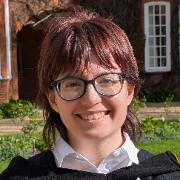 Student contribution
Mili Ostojic
Imperial College London
Confirmed flash talkLocal voices help shape the question.
A keynote from a Queensland Traditional Owner or coastal community, and further community participation, are proposed through partner biologists and reef managers. These invitations are pending. Names and contributions will be announced with participants’ agreement.
Built for
exchange.
Research talks lead into audience round tables, live voting and small-group speed mentoring. Students open the round tables with the first question.
Four senior keynotes, four early-career talks and six student flash talks, alongside the proposed local voice keynote.
Both formats are proposals. The date, duration, session assignments and clock times will follow the conference allocation. Awards depend on funding.
The room is part
of the programme.
Posters remain on display. Live voting and a shared question wall are planned to steer the conversation. Online streaming, Q&A and participation are planned; access details will follow once arrangements are confirmed.
Bring your work.
Bring your questions.
Researchers, practitioners, conservationists, reef managers and students are invited into the conversation. The open call and submission route are being prepared.
Early-career research talks
The proposed call asks for a two-page extended abstract. Personal invitations to apply will sit alongside an international open call, with selection considering discipline, geography and background.
Student flash talks & posters
Students are invited to prepare a one-slide research summary for a three-minute flash talk and poster participation. Speed mentoring creates time for small-group conversations with senior researchers.
Shared challenges & co-design
In the full-day option, local partners bring real challenges to six mixed groups. Together they develop robot concepts or deployment protocols covering ecological need, disturbance, deployment and recovery.
Registration arrangements and any fees will follow confirmed conference policy. Support for student travel, prizes and community honoraria is being sought.
Contact the organisers ↗Where the
worlds meet.
Brisbane Convention
& Exhibition Centre
Grey Street, South Brisbane
Queensland 4101, Australia
In the South Bank cultural precinct, beside South Brisbane Station and close to the river, parklands, museums and galleries.
- Conference
- 5–9 April 2027
- This workshop
- Date, room and acceptance pending
- Getting here
- South Brisbane Station is adjacent on Grey Street. Bus and ferry connections serve South Bank.
An agenda,
still open
to learning.
A shared research agenda and provisional design principles.
The workshop aims to turn its questions and discussions into a follow-up Perspective, with contributing participants invited to join as co-authors. Formal guidelines would follow wider consultation with communities, reef managers and researchers.
Talks, slides and co-design results will be shared only with the relevant contributors’ permission. Cultural knowledge will not be recorded or published without explicit permission. The Robot Zoo is intended to remain online.
Bringing the
worlds together.
The proposed workshop will open with an Acknowledgement of Country, recognising the Traditional Owners of Meanjin (Brisbane). Community participation will follow local cultural protocols and respect cultural and intellectual property.